
Adult Use
Sign up now and get rewards! Join VeriVIP
Due to the shortage of pennies nationwide, your transaction will be rounded to the closest $00.05 (nickel)


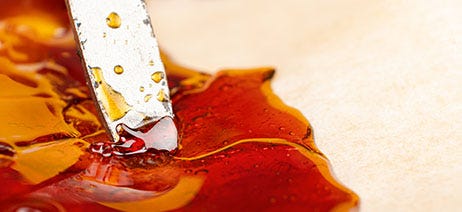
Live Resin vs. Cured Resin: What’s the Difference?
Live resin is a popular and versatile cannabis concentrate that can be vaped, dabbed, and used to infuse flower. But how do you know if it’s the right product for you? And how is live resin different from cured resin? Understanding how each is made–and how that affects THC levels and terpene preservation–can help you choose the right concentrate for you.
- What is Live Resin?
- What is Cured Resin?
- Key Differences Between Cured Resin and Live Resin
- Live Resin vs. Other Concentrates
- How Do You Smoke Live Resin?
- Choosing Between Cured Resin and Live Resin
- FAQs About Live Resin and Cured Resin
Live Resin
Live resin is a concentrate created using fresh, flash-frozen cannabis that is put through an extraction process to preserve the cannabinoids, terpenes, and other plant compounds. The result is a sticky, golden concentrate full of flavor, rich in aroma, and unique in its potency.
What is Live Resin?
Live resin is a concentrated form of cannabis that uses a flash-frozen extraction method to preserve the cannabinoids and terpenes of the marijuana flower, creating a versatile, full-spectrum product. It mimics the strain from which it’s extracted, including the original aroma, flavor, and overall potency.1
The finished product offers THC percentages ranging from 65-90%, so it’s not recommended for new consumers. When purchasing live resin, you’ll find it in a variety of textures depending on post-processing techniques:2
-
Sugar
Note that the high terpene content is what gives these concentrates their glossy or wet appearance.

How is Live Resin Made?
Live resin is made using the same solvent-based process as many other concentrates, but the key difference with live resin is that the extraction is performed on flash-frozen marijuana. (That’s where the “live” in live resin comes from!)
The live resin production process includes:3
-
Harvesting cannabis plants at peak maturity and flash-freezing them immediately.
-
Putting the frozen material through hydrocarbon extraction (commonly butane or propane) in a closed-loop system.
-
Purging the extract of residual solvents.
It is believed that this method preserves the plant’s freshness, cannabinoids, and terpenes.4
What is Cured Resin?
Cured resin is a cannabis concentrate made from dried and cured cannabis flower, rather than fresh frozen plant material. Often called “dead” resin due to the drying, it typically has a darker color and thicker consistency than live resin, resembling shatter with an amber hue. Similar to live resin, it contains high THC percentages ranging from 60-85%.
How is Cured Resin Made?
The extraction method is typically the same as live resin (hydrocarbon extraction), but because the plant has undergone drying and curing first, some terpene degradation naturally occurs.5
The cured resin production process includes:3
-
Trimming harvest flower and hanging to dry.
-
Curing the flower for 1–3 weeks (sometimes longer).
-
Extracting the resin using hydrocarbon solvents like butane or propane in a closed-loop system.
Because curing allows some terpenes to evaporate over time, cured resin generally contains slightly lower terpene levels than live resin, though it still preserves much of the plant’s cannabinoid profile. The result is a potent, flavorful concentrate that often reflects the classic aroma and taste of dried cannabis flower.

What Does Cured Resin Taste Like?
Cured resin typically delivers a flavor profile that mirrors traditional cannabis flower. Because the plant has been dried and cured:
-
The terpene profile is often slightly less bright than live resin.
-
Earthy, gassy, and herbal notes may become more pronounced.
-
Some lighter, fruit-forward terpenes may be reduced.
That said, many consumers prefer cured resin for its classic, well-rounded cannabis flavor, especially if they enjoy the taste of traditional flower.
Key Differences Between Cured Resin and Live Resin
Now that we covered the basics of live resin and cured resin, here’s a bit more information about how these two concentrates compare to one another.
Starting Material
-
Live Resin: Fresh, flash-frozen cannabis.
-
Cured Resin: Dried and cured cannabis flower.
The primary difference between live resin vs cured resin is the type of plant material. Cured resin is made from dried and cured cannabis, while live resin uses fresh frozen cannabis that is preserved at peak freshness. This distinction impacts the final product, the flavor, and the potency of the concentrate.5

Terpene Profile
-
Live Resin: More robust terpene profile due to better preservation.
-
Cured Resin: Flavorful, but some terpene loss occurs during drying and curing.
One of the biggest selling points of live resin is its terpene preservation. Because the plant material is frozen immediately after harvest, live resin has a more complex terpene profile than cured resin, resulting in more flavor and aroma.7 Cured resin, while still flavorful, typically has a less intense smell and taste because of the terpene loss during drying and curing.
Potency and Cannabinoid Content
-
Live Resin: 65-95%
-
Cured Resin: 90-99%
Is live resin stronger than cured resin? Both are potent cannabis concentrates, but they differ slightly in cannabinoid content. Live resin tends to have a higher concentration of terpenes, resulting in a more balanced, full-spectrum experience. On the other hand, cured resin often has higher THC levels.
Cost
-
Live Resin: Often comes with a higher price tag
-
Cured Resin: Likely costs less than live resin
So why does live resin cost more? This is largely due to the more complex production process and the premium placed on terpene preservation.8 On average, cured resin is more affordable, making it a popular choice for those who want to experience high-quality cannabis concentrates.

Live Resin vs. Other Concentrates
Choosing the right cannabis product for you is hard enough without having to research each individual difference between all of them! Here’s a rundown on how live resin compares to other types of concentrates.
Live Resin vs. Distillate
One of the reasons live resin is so loved among cannabis enthusiasts is that it has both terpenes and cannabinoids in it. This ensures a flavorful, scentastic experience. Distillate, however, is typically a concentration of a single cannabinoid—commonly THC. Distillates do not have any flavor or aroma unless terpenes are added back into them.
Live Resin vs Live Rosin
It can be hard keeping the different resins and rosins straight, but live resin and live rosin are easy to distinguish. Live resin requires solvent-based extraction techniques to be produced, and live rosin is made using solventless extraction.
How Do You Smoke Live Resin?
Live resin is one of those concentrates that can be enjoyed in a variety of ways, making it friendly to most cannabis enthusiasts.
Dab: To dab live resin, you’ll need a dab rig and torch. Heat your nail (not too hot) and place a small amount of product on it. The live resin will be heated into a vapor that you can consume.
Vape: Live resin can be purchased in a cartridge that is simply attached to a battery, which heats the resin and allows you to inhale the vapor.

Infused Pre-Roll: For cannabis enthusiasts who enjoy pre-rolls, live resin can be added to the end of a pre-roll or along the sides so as the pre-roll is smoked, you get both the effects of the flower and the live resin. You can also purchase infused pre-rolls at most dispensaries.
Add to Pipe: There are two ways to enjoy live resin in a pipe. You can add the live resin directly to a bowl and heat it (though this can get messy compared to a dab rig), or you can add a little bit of live resin on your ground flower in a pipe and consume it that way.
Choosing Between Cured Resin and Live Resin
When choosing between cured resin vs live resin, consider the following factors:
-
Flavor and aroma preferences: If you prioritize a rich terpene profile, live resin is the way to go.
-
Potency needs: If you’re seeking a more intense THC experience, cured resin might be the better option.
-
Budget: Cured resin is generally more affordable, while live resin commands a higher price due to its production process and terpene retention.

FAQs About Live Resin and Cured Resin
There’s always more to learn when it comes to live resin. Here are a few frequently asked questions we’re regularly answering:
Why is live resin usually more expensive?
Making live resin is expensive. It requires solvents, state-of-the-art equipment, and a lot of time. These factors all add up to higher costs for cannabis consumers.
Does live resin have more terpenes?
Perhaps. Some research suggests that the drying and curing process can cause the final product to lose up to 55% of its terpenes. Flash freezing the plant right after harvest avoids much of this loss.1
Is live resin more flavorful than cured resin?
This depends on your personal preference. If you love terpenes, don’t rule out cured resin in favor of live resin, or live resin in favor of cured resin, because you could miss out on a unique terpene experience.
Is live resin indica or sativa?
It depends entirely on the strain used during extraction.
Does live resin smell stronger?
Yes, due to higher terpene preservation during flash freezing.4
Is live resin more flavorful than cured resin?
This depends on your personal preference. If you love terpenes, don’t rule out cured resin in favor of live resin, or live resin in favor of cured resin, because you could miss out on a unique terpene experience.
Is live resin natural?
It contains naturally occurring cannabinoids and terpenes but is produced using hydrocarbon solvents in a regulated system.
Where did live resin originate from?
A Colorado native, William Fenger, wanted to preserve the rich smells of the marijuana plant that were often lost once the plant was cured. His first experiment involved a flash-frozen leaf and butane hash oil. The result? Live resin.2
Which is more potent: cured resin or live resin?
Cured resin typically has higher THC levels, but live resin offers a more full-spectrum experience due to its terpene content.
How do the flavors of cured resin and live resin compare?
Live resin tends to be more flavorful, thanks to its preserved terpenes, while cured resin has a more subdued flavor profile.
Are the effects of live resin stronger than those of cured resin?
While cured resin may offer stronger THC effects, live resin provides a more balanced experience due to the entourage effect.
How should I store cured resin and live resin to maintain their quality?
Store live and cured resin in a cool, dark place, ideally in airtight containers to preserve potency and flavor.
Is one type of resin better for dabbing than the other?
Both cured resin and live resin can be dabbed, depending on your flavor and potency preferences.

Try Live Resin
The choice between live resin and cured resin ultimately boils down to personal preference. Go with live resin if you enjoy a more flavorful, terpene-rich experience. But if you’re looking for something more potent and budget-friendly, cured resin might be right for you. Visit your local dispensary and chat with your favorite budtender to find the best product for your needs.
Sources:
1. “What Is Live Resin? Benefits, How to Use It, and More,” Leafwell, May 5, 2025, https://leafwell.com/blog/what-is-live-resin
2. “What are cannabis concentrates?,” Leafwell, October 23, 2025, https://leafwell.com/blog/benefits-cannabis-concentrates
3. “The basics of hydrocarbon extraction,” Weedmaps, https://weedmaps.com/learn/products-and-how-to-consume/hydrocarbon-extraction
4. “Leafly’s guide to live resin,” Leafly, August 1, 2025, https://www.leafly.com/learn/consume/dabs/what-is-live-resin-cannabis-concentrate
5. “Resin,” Leafly, https://www.leafly.com/learn/cannabis-glossary/resin
6. “The Essential Guide to Drying and Curing Cannabis,” Leafwell, October 3, 2025, https://leafwell.com/blog/drying-and-curing-cannabis
7. “The preservation and augmentation of volatile terpenes in cannabis inflorescence,” Journal of Cannabis Research, September 14, 2020, https://link.springer.com/article/10.1186/s42238-020-00035-z
8. “Fresh frozen, Leafly, https://www.leafly.com/learn/cannabis-glossary/fresh-frozen

Recreational cannabis is not available in all states. Cannabis is for medical use only and may only be used by certified patients in Pennsylvania. State laws impact what dispensaries can and can’t sell to recreational customers and certified patients. Not every type of product, consumption method, dosage form, or potency mentioned on this blog will be permitted in all locations.
PharmaCann Copyright ©2026 All Rights Reserved