
Adult Use
Sign up now and get rewards! Join VeriVIP
Due to the shortage of pennies nationwide, your transaction will be rounded to the closest $00.05 (nickel)


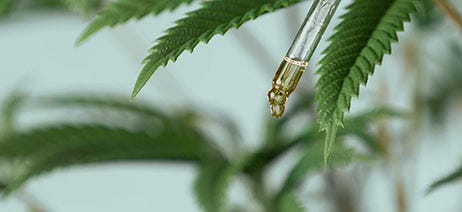
What Are Sublingual THC Products & How Do They Work?
Sublingual marijuana products come in a wide variety, but they’re taken in a very specific way for cannabis users to enjoy. In this guide, we’ll discuss:
- What is Sublingual Marijuana?
- How Do You Use Sublingual THC?
- Why Would Someone Choose A Sublingual?
- What Are The Different Types Of Sublinguals?
- FAQs About Sublingual THC?
What is Sublingual Marijuana?
Sublinguals refer to a type of marijuana product that is absorbed under the tongue, or sublingually. They can come in a variety of forms, from sublingual marijuana oil to tablets, tinctures, and even rapidly dissolving strips.1 It’s important to note that this isn’t the same as an edible, though confusingly, you may see them categorized similarly. Traditional edibles must be swallowed and absorbed through the digestive system. Sublingual cannabis products require the mucosal membrane under the tongue, inside the cheeks, and on the gums to absorb the cannabinoids. This makes them faster-acting than other edibles.2

How Do You Use Sublingual THC?
So how is the dosing different? First, you’ll want to swallow before using a sublingual. This is because saliva can capture the product, and swallowing can take the cannabinoids with it. This will lead to a different and likely less effective experience. Instead, after swallowing, you’ll need to hold your sublingual THC product until it dissolves. This can be done in a variety of ways, from letting it sit under the tongue to pressing it into the cheek. (The cheek method is often referred to as buccal administration.) Once you’re sure the product has been absorbed, you may wish to wait up to ten more minutes before eating or drinking. This will ensure the most optimal experience.
How Long Should You Hold Sublingual THC Under Your Tongue?
Hold the cannabis sublingual under your tongue until it completely dissolves. Sublingual THC products are typically small and designed to dissolve quickly, so it shouldn’t take very long. After you’ve taken it, expect it to start working within about 15-30 minutes.3
How Does Sublingual THC Work with the Body?
Your body has a lot of tiny blood vessels that weave their way through your soft tissue—including your mouth. From your gums to the insides of your cheeks, these areas are jam-packed with vascular tissue. And that’s exactly how a sublingual gets in.4 The cannabinoids seep past the thin, permeable membranes inside your mouth and enter the bloodstream.
Because of the way they are absorbed, sublinguals are as fast-acting as vaping or smoking, so it’s important to dose carefully.5 As always, start slow and give yourself time to feel the effects before ingesting more cannabis.

Why Would Someone Choose A Sublingual?
For people who enjoy sublinguals, they have a few benefits that make them the preferred way of consuming cannabis. These benefits include:
- Smoke and Vapor Avoidance. Some cannabis users prefer not to inhale smoke or vapor, whether it’s because they don’t enjoy the sensation or the possible health-related byproducts of inhalation.
- Gentler Psychoactive Effects. Some sublinguals can limit certain processing done by the liver, which is what causes the more intoxicating effects of cannabinoids.5
- Faster Effects Compared to Edibles. Sublingual marijuana oil and other products can typically be felt within fifteen minutes and last up to three hours. This makes them much more like smoking or vaping than edibles that must pass through the digestive system.
Sublinguals can also be microdosed, so you can feel the effects without interfering with your day-to-day activities.
What are the Different Types of Sublinguals?
Sublinguals are available in a variety of forms. These include:5
- Tinctures: This cannabis tincture is a mix of cannabis extract and alcohol or other liquids. These products are typically found in bottles with droppers. You choose your dosage of the liquid, squeeze it under your tongue, and let it absorb.
- Tablets, Lozenges, or Pills: While you’d typically swallow a pill or suck on a lozenge, these sublinguals are built to simply be settled underneath the tongue and left there to dissolve quickly so cannabinoids can be absorbed into the bloodstream. While it wouldn’t hurt you if you swallowed them, you also wouldn’t feel the effects for some time, and the results may be different from expected. Some THC tablets can also be absorbed buccally or against the cheek.
- Sublingual Sprays: Very much like a tincture, these are a mix of cannabis extract and alcohol or oil that is delivered from a spray bottle. You can spray this sublingual under the tongue or onto your cheeks, and let it sit in your mouth until it’s fully absorbed. Sprays can sometimes be tricky for beginners to cannabis consumption because the spray dosage isn’t always obvious without dividing the number of sprays per bottle by the amount of THC.

- Quick-Dissolving Strips: Similar to certain mouthwash strips, these sublinguals are fast-acting, discrete, and easy to take on the go. Like with all sublinguals, the strip is placed under the tongue. It can be helpful not to talk while you’re waiting for the strip to absorb to ensure your tongue doesn’t move it around.
When it comes to the type you want to try, it’s all about preference. For example, some people don’t like the sensation of a tablet and would enjoy a tincture or strip more. Think about how you’d best enjoy a sublingual and start there.

FAQs About Sublingual THC
You may have heard of sublingual medication, but sublingual THC may be new to you. Here are a few questions we usually get around this consumption method.
Can you make sublingual THC strips?
You can try, but we don’t recommend it. Cannabis cultivators use concentrated THC to make the product, and then they add flavoring to give it an appealing taste.6 This is quite technical and not something a typical consumer can do at home.
How long does sublingual THC take to work?
Onset time varies from person to person, however you can assume it will take 15-30 minutes to feel the effect of sublingual THC.3 We recommend waiting up to an hour before taking more.
Is sublingual THC processed by the liver?
No, sublinguals are not processed by the liver.4 In fact, this administration method bypasses the entire digestive system, which is why you’ll see a faster onset.

Who Should Use Sublinguals?
Sublinguals are designed to be easy to take with fast-acting results, and anyone who is looking for that type of cannabis experience should try them. If you’re wondering if they’re right for you, try visiting your local dispensary. It can be a great way to work directly with a cannabis expert to find the perfect product for you.
Sources:
1. “Getting the Most Out of Using Sublingual Cannabis,” HelloMD, January 23, 2018, https://www.hellomd.com/articles/getting-the-most-out-of-using-sublingual-cannabis/
2. “Advances in Nanoparticulate Drug Delivery Approaches for Sublingual and Buccal Administration,” Frontiers in Pharmacology, November 5, 2019, https://pmc.ncbi.nlm.nih.gov/articles/PMC6848967/
3. “Become Fluent in Cannabis Sublinguals,” Thrillist, January 10, 2020, https://www.thrillist.com/eat/nation/sublingual-cannabis-thc-strips-tablets
4. “Sublingual and Buccal Medication Administration,” June 7, 2017, https://www.healthline.com/health/sublingual-and-buccal-medication-administration
5. “Beyond the Smoke: Cannabis Under the Tongue,” 2020, https://www.crxmag.com/issues/2020/spring/cannabis-under-the-tongue.shtml#
6. “Do cannabis sublingual strips really work? Yes—here’s how” Leafly, September 27, 2021, https://www.leafly.com/news/health/do-cannabis-sublingual-strips-really-work-yes-heres-how

Recreational cannabis is not available in all states. Cannabis is for medical use only and may only be used by certified patients in Pennsylvania. State laws impact what dispensaries can and can’t sell to recreational customers and certified patients. Not every type of product, consumption method, dosage form, or potency mentioned on this blog will be permitted in all locations.
PharmaCann Copyright ©2026 All Rights Reserved